Prices are estimates. How we get them
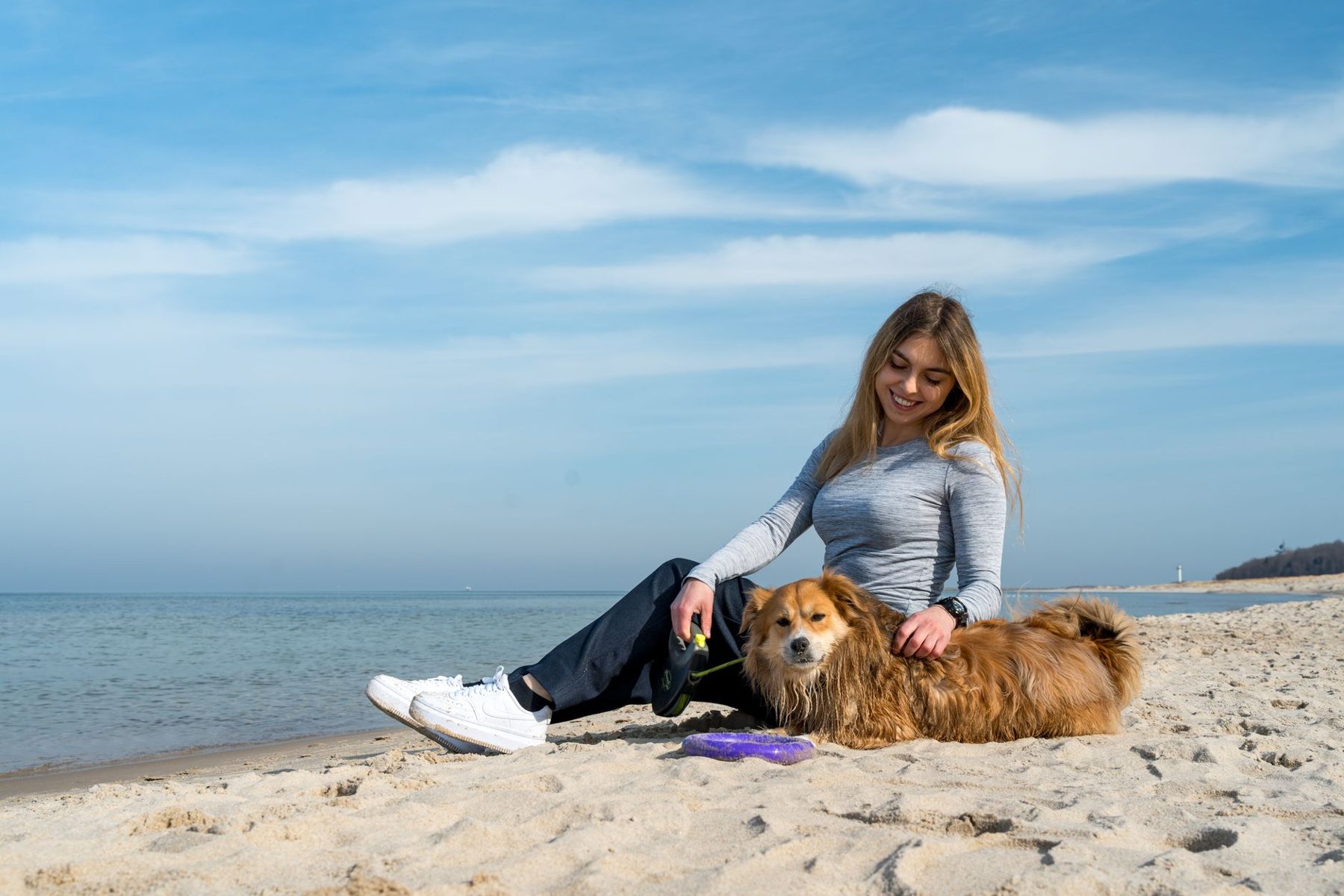

We train dogs from St. Pete Beach up to Clearwater, working in your home and neighborhood and early and late in the day to beat the heat. The goal is a dog your whole family can enjoy.
A St. Pete dog deals with things a dog in Ohio never sees, like sidewalk cafés on Central Avenue, golf carts, pelicans, beach crowds, afternoon thunderstorms, and hot pavement by 10 a.m. Training that works here has to account for all of that.
We train in the places your dog actually spends time, including your home, your lanai, your walking route, and parks where dogs are allowed. In summer we keep sessions early and late, and we adjust the work for flat-faced breeds and heavy coats that struggle in the humidity.
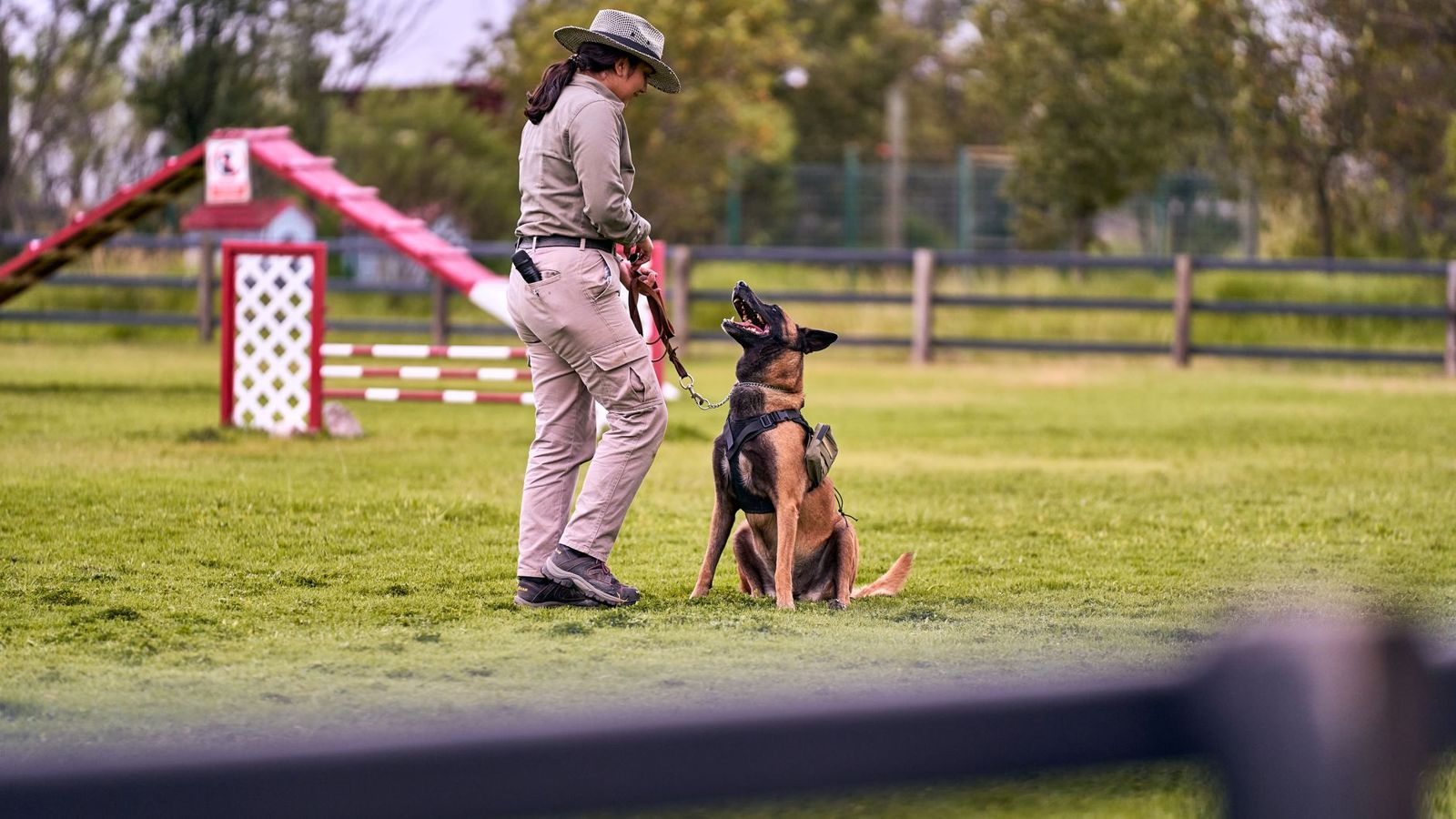
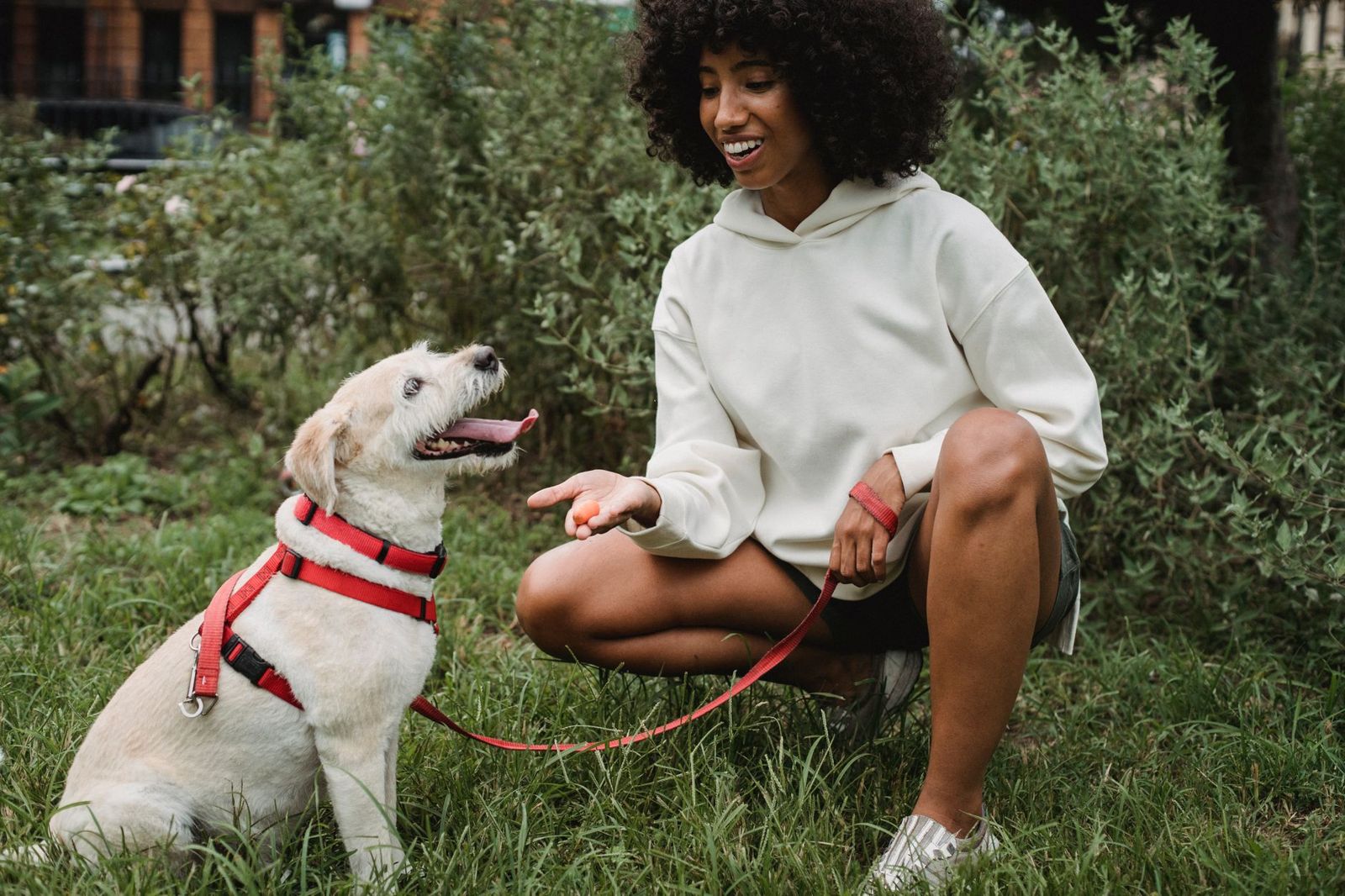
One-on-one work at your home on the problem that bothers you most, whether that is leash pulling, jumping, door dashing, or barking at every golf cart.
Ask about this
Potty training, crate time, biting, and handling, plus early calm around beach crowds, bikes, and pelicans.
Ask about this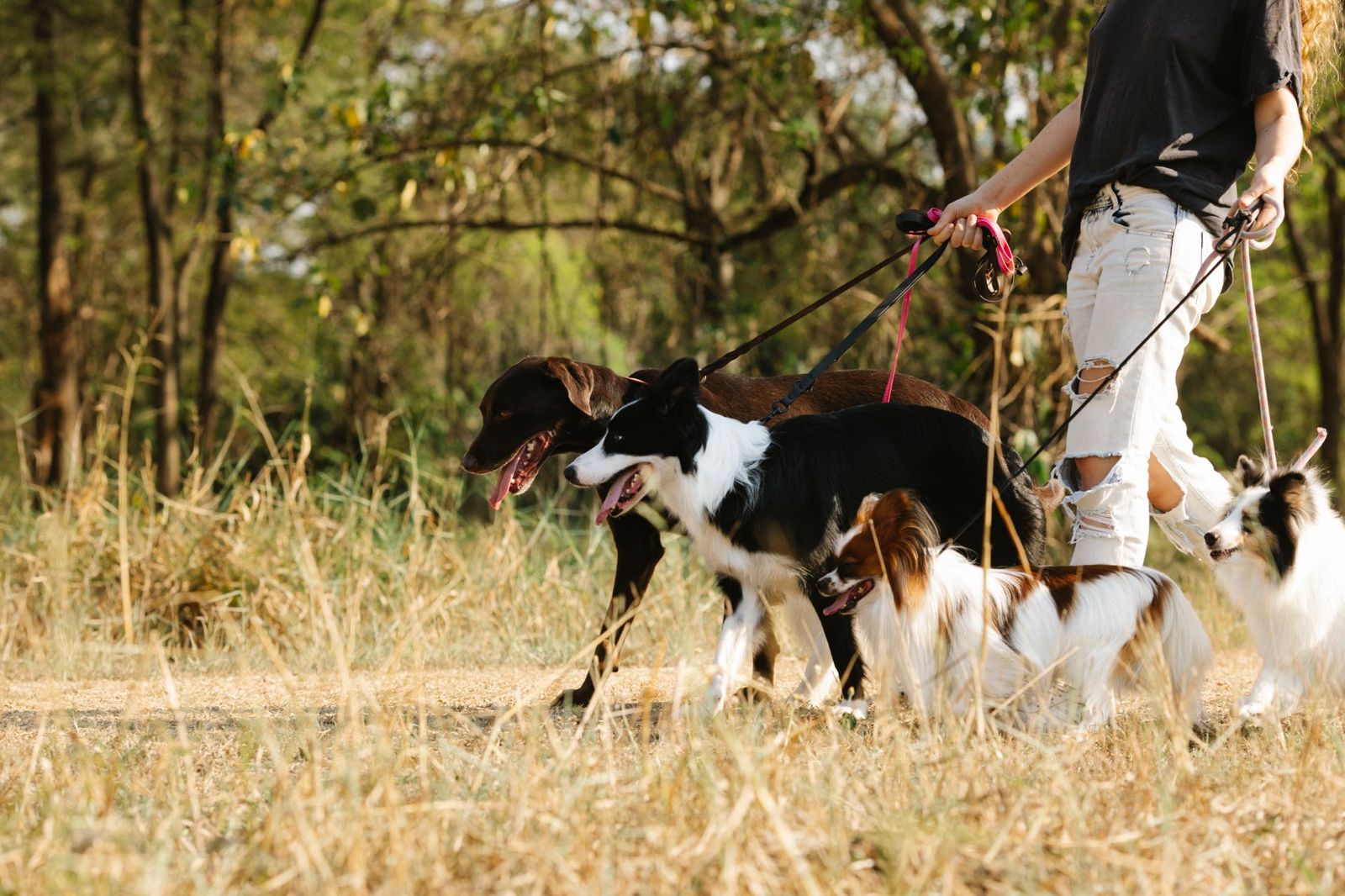
Sit, down, stay, and come when called, practiced around other dogs so it holds up at a busy park.
Ask about this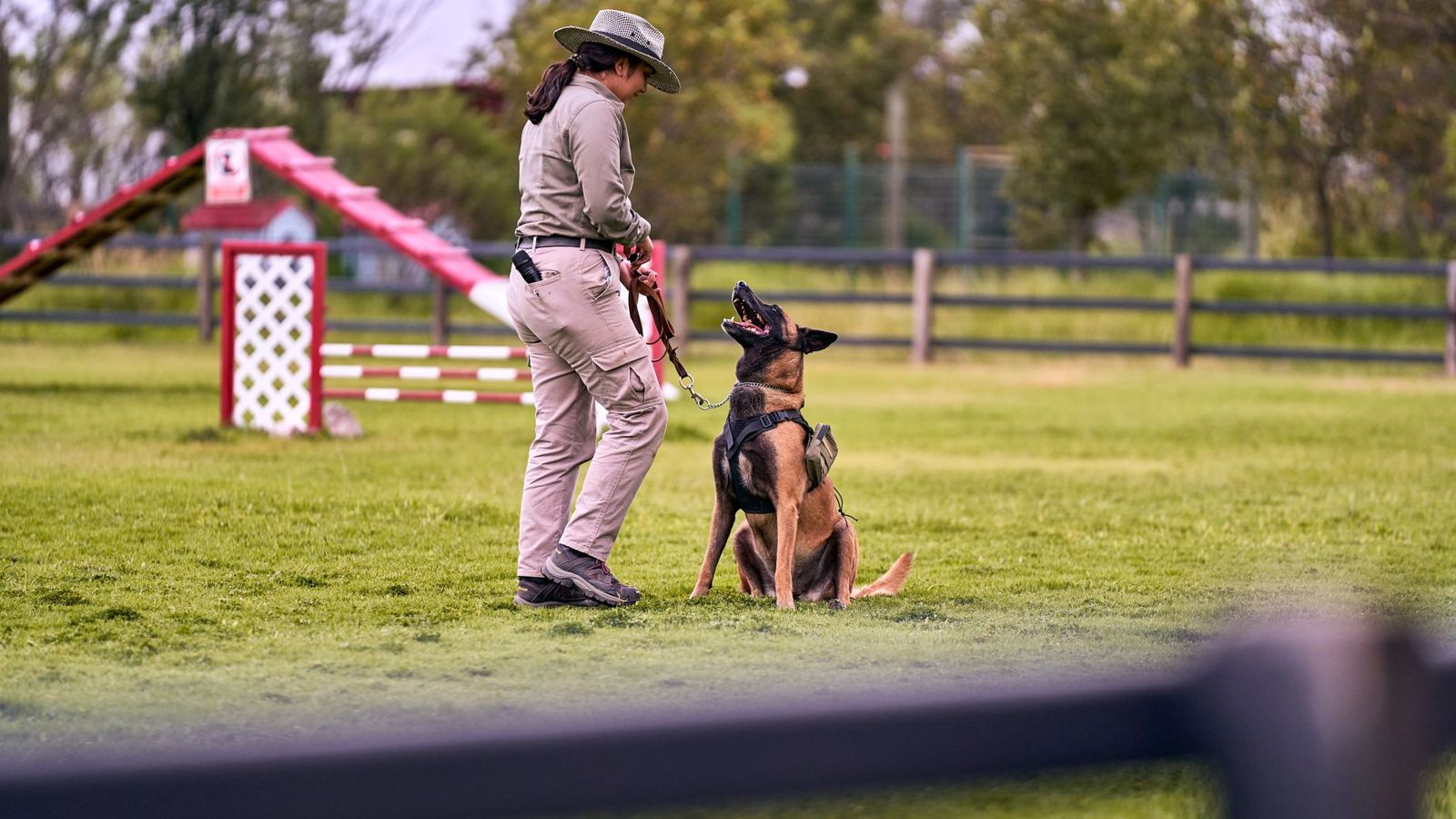
Your dog stays with a trainer for two to three weeks, and then we hand the skills back to you in follow-up lessons.
Ask about this
Reactivity, resource guarding, and fear. We start with an assessment and a plan, and we will tell you if you need a vet involved.
Ask about this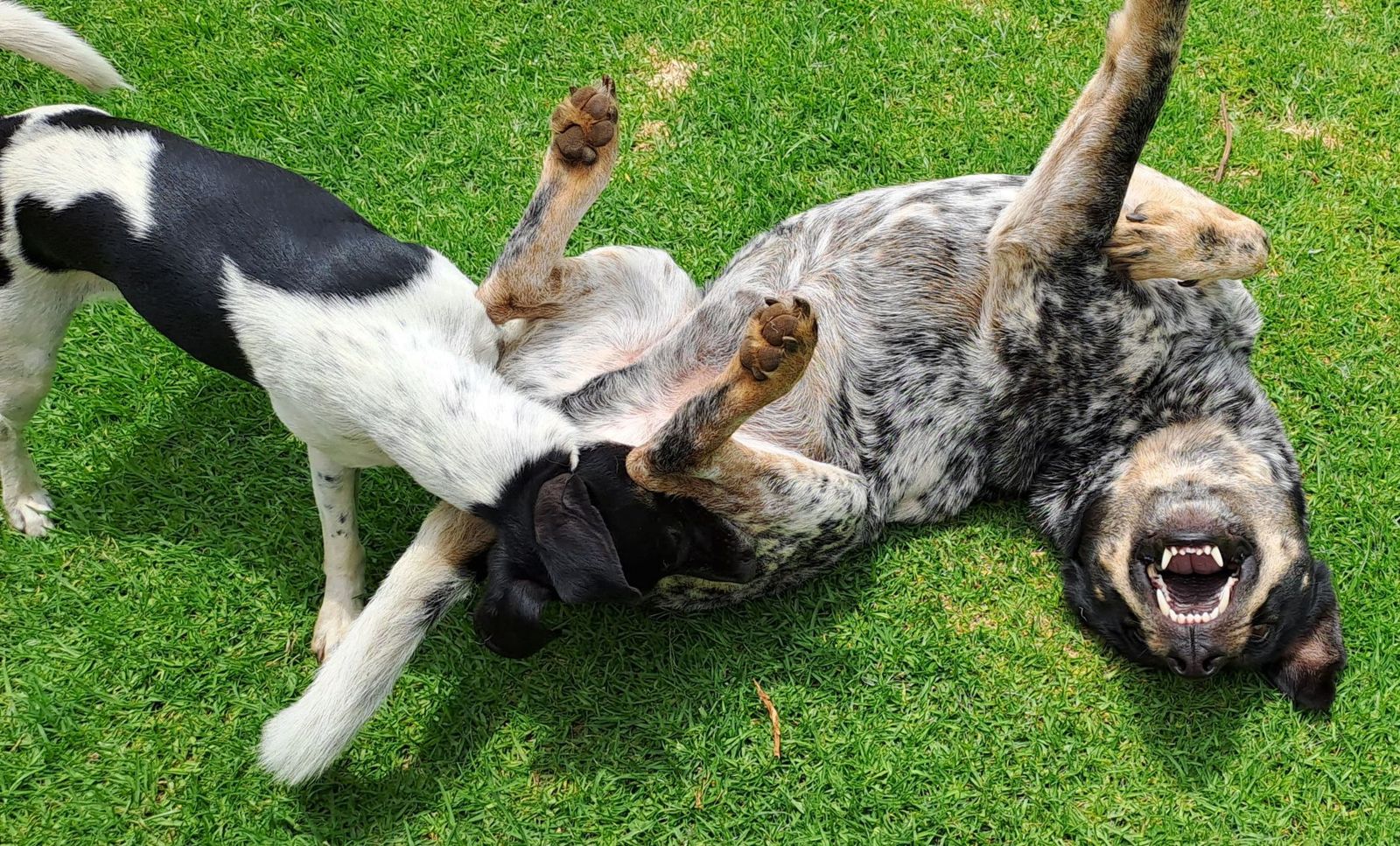
A set of visits built around your house, your lanai, and your walking route, so the training sticks where you actually live.
Ask about thisTraining is our focus, but owners always ask about the rest. Tap any of these and it goes into the same message.
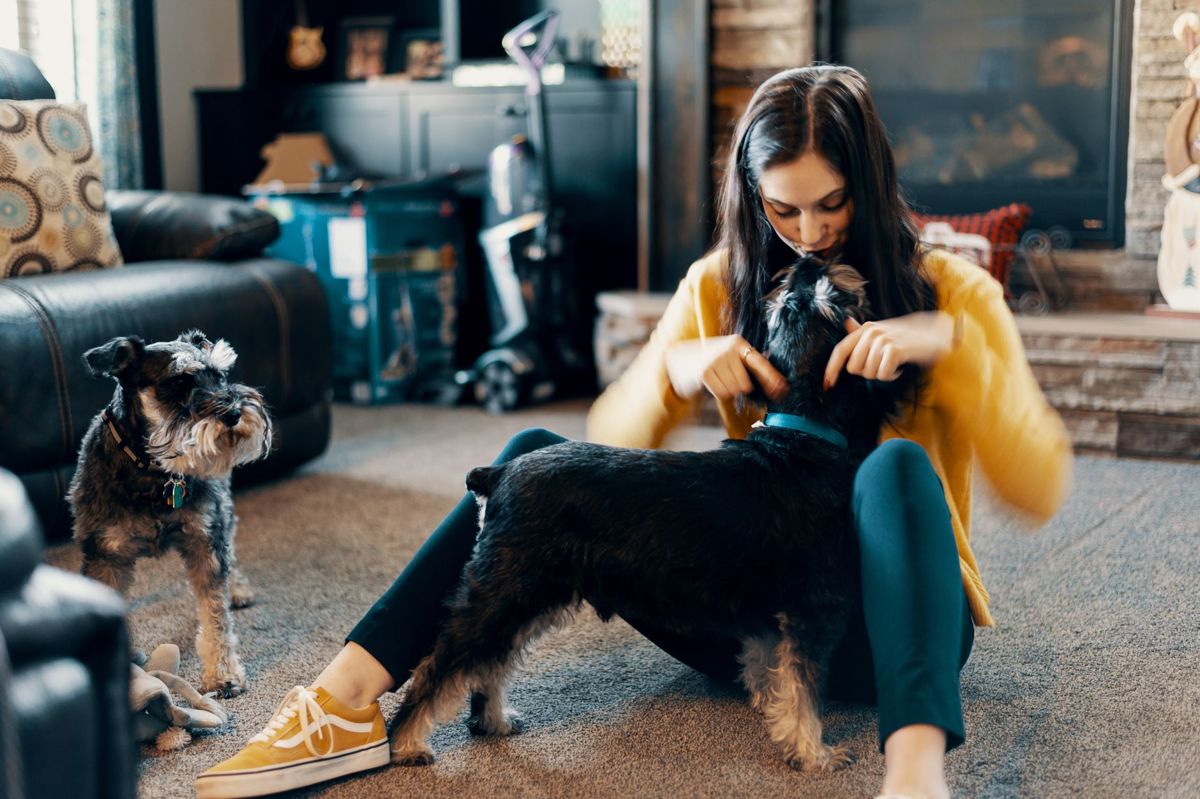
Heading out of town or waiting out a storm evacuation? Tell us your dates and your dog, and we connect you with a local sitter or boarding option, plus a quick refresher session when you get back.
Request info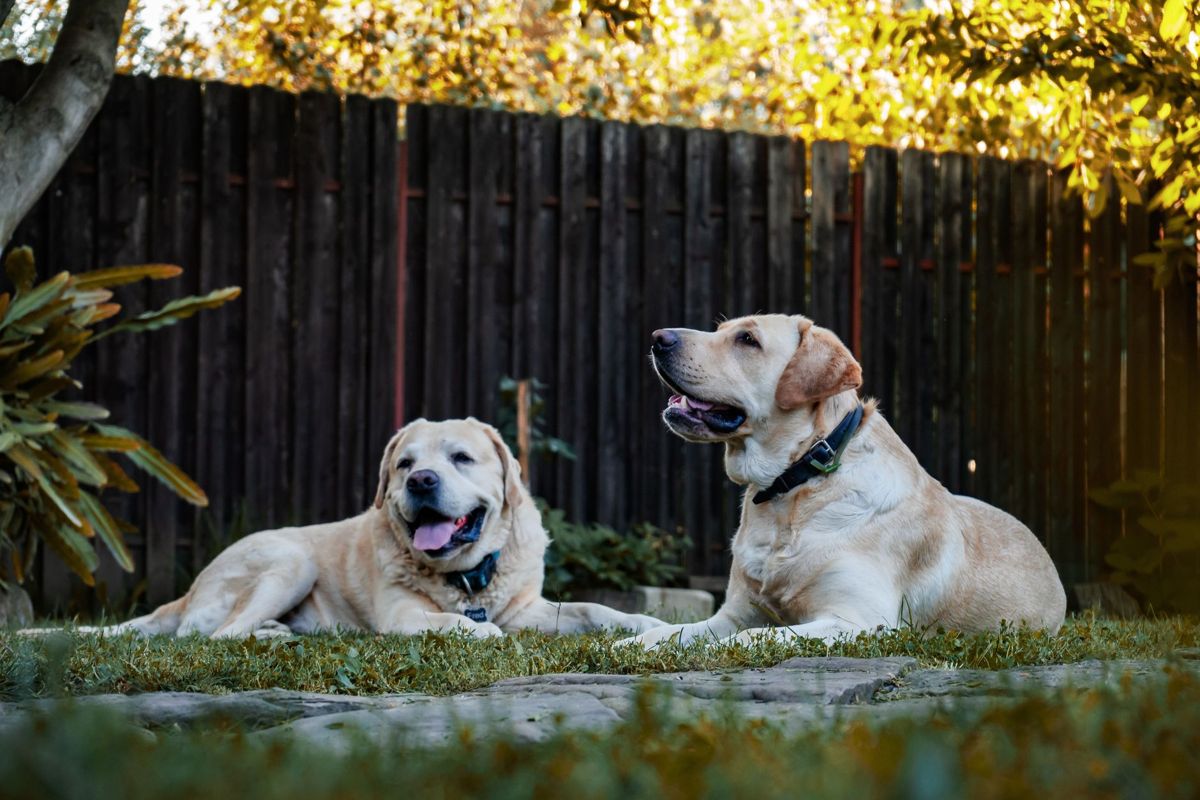
Many St. Pete yards are small, and some HOAs limit fence height. An invisible fence only works when the dog is trained to the boundary, and that training is what we do.
Request info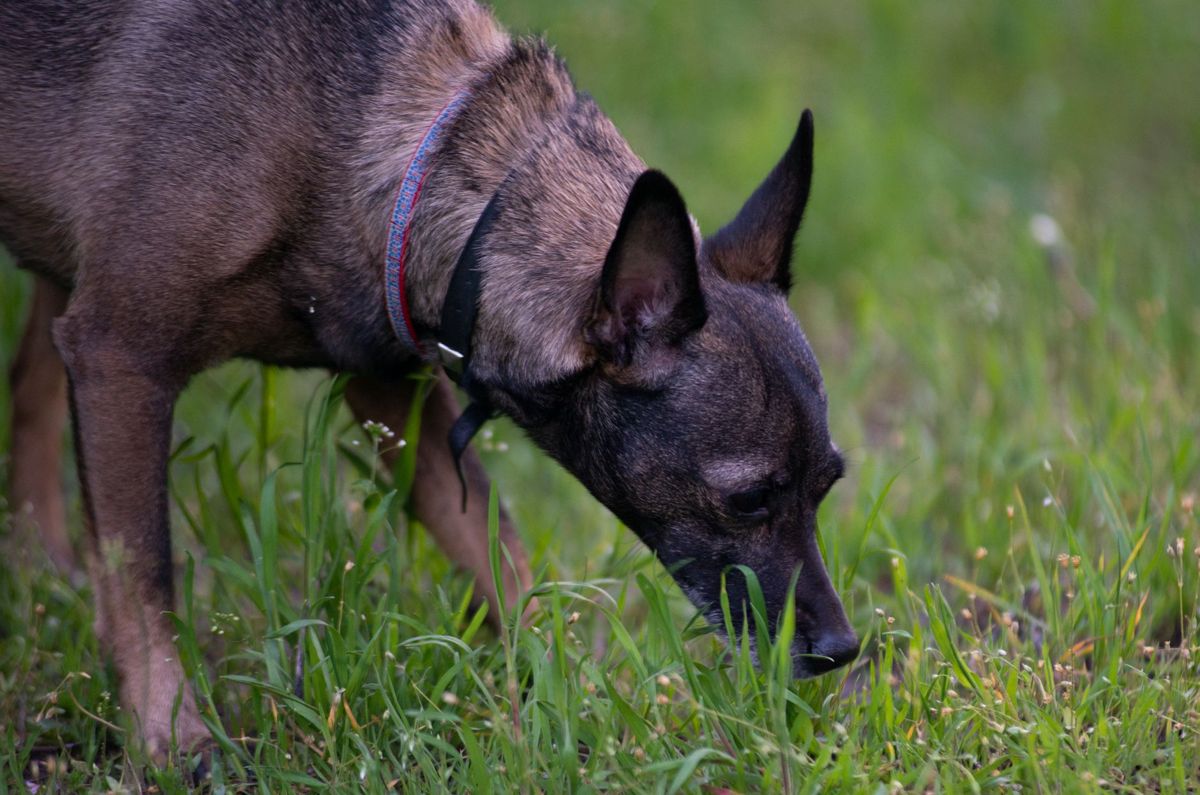
GPS collars help with runners and storm-season escapes. Ask which ones owners use here, and we will teach a reliable recall so you need the tracker less.
Request info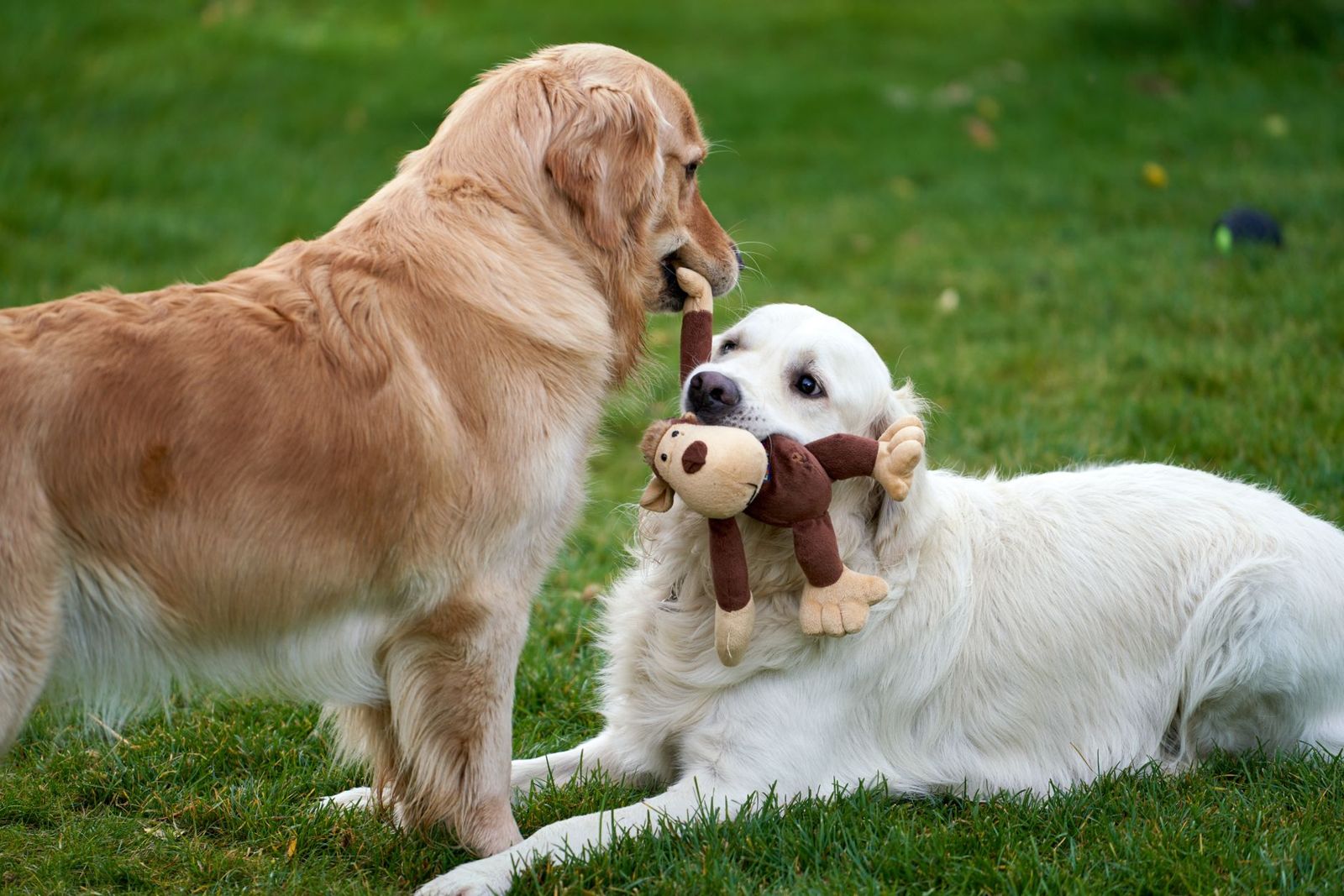
The right chew and the right training treat make homework easier. Ask what we use in sessions, and we will point you to local shops.
Request info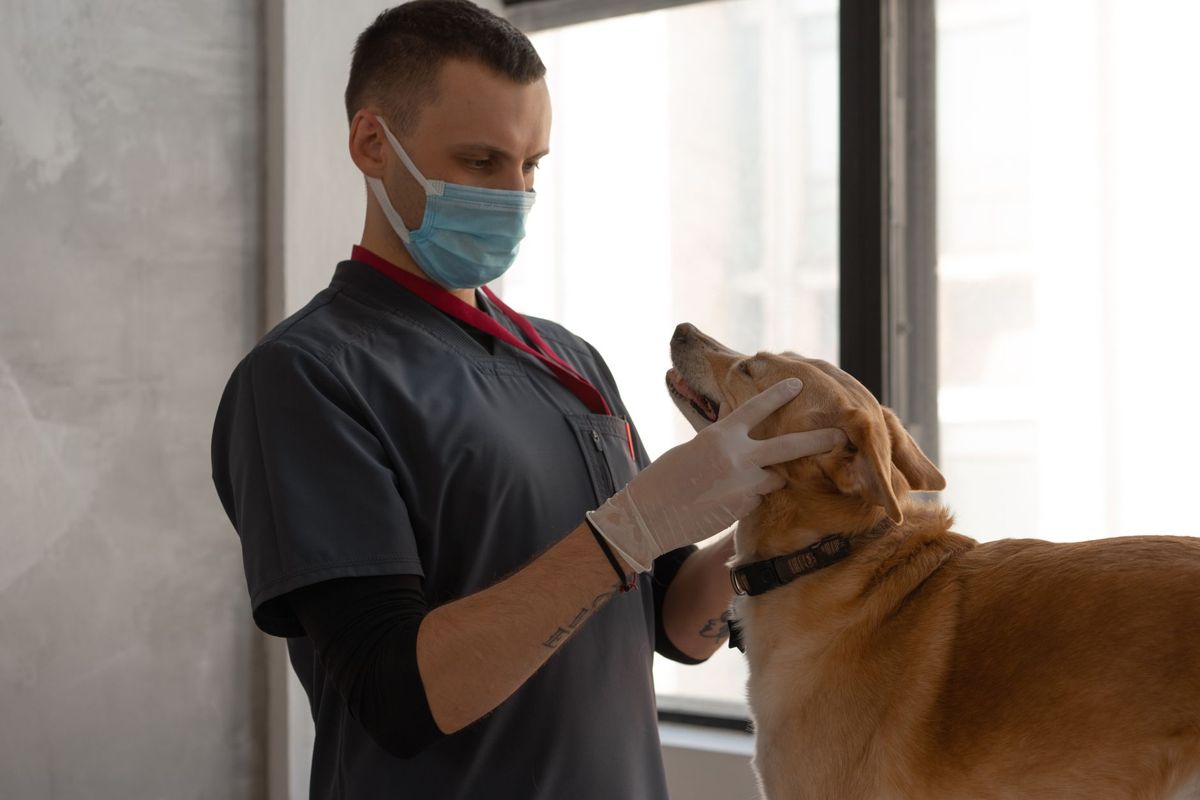
Behavior problems sometimes start with pain, allergies, or itching from fleas. If something looks medical, we will tell you to see a vet before we train through it.
Request infoThis guide covers which pets do well in St. Pete's heat and humidity and which ones struggle. It also explains which exotic pets Florida bans or requires a permit for, along with the county rules on licenses, leashes, and tethering.
Read the guideThis guide goes town by town through which beaches allow dogs, which ones don't, and where you can legally let your dog run off leash.
See the beach listWe cover St. Petersburg and the Pinellas beach towns north to Clearwater.
Mostly no. Treasure Island, Madeira Beach, Indian Rocks Beach, Gulfport, and Clearwater Beach keep pets off the sand, with service animals exempt. The legal options are the Paw Playground at Fort De Soto, the pet beach at Honeymoon Island, and a small bayside area in Pass-a-Grille in St. Pete Beach.
Yes. Pinellas County requires a county license tag for dogs and cats over four months old, and you need proof of a current rabies shot to get or renew it.
Not if we train early and late. We schedule sessions in the cooler morning and evening hours, keep water and shade close, and go easy on flat-faced breeds and heavy coats.
We focus on training. If you ask about boarding, an invisible fence, a GPS collar, or food and toys, we point you to a local option and set up the training that goes with it.
No. We train at your home, in your neighborhood, and at local parks where dogs are allowed.
Tell us your dog's age, breed, and the one behavior you most want fixed. Pulling on the leash, jumping on guests, barking at the lanai door, and not coming when called are the usual starting points.
Asking about boarding, a fence, a GPS collar, or food and toys? Pick it from the list and we will point you to the right local option.
 ST. PETE